

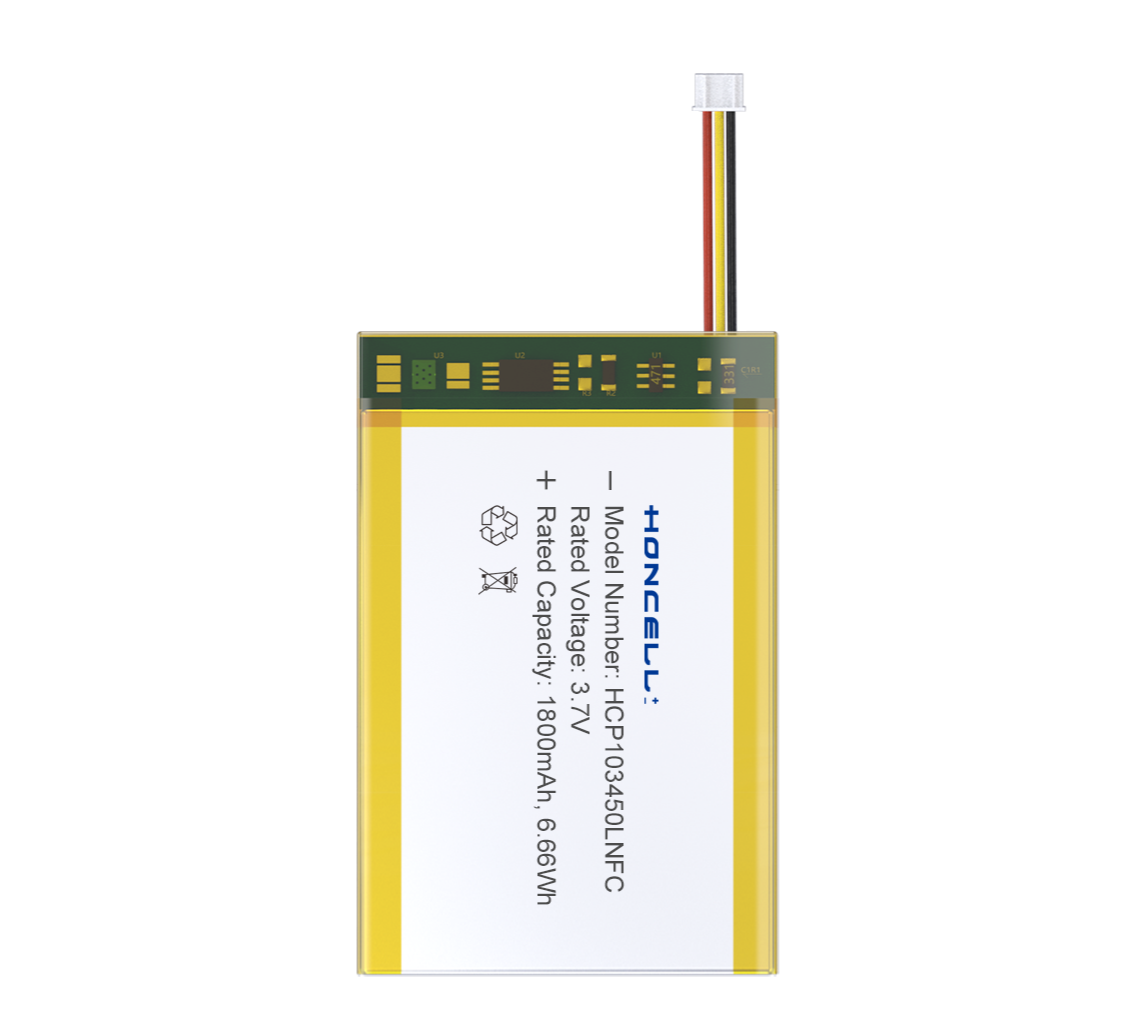


Best Rechargeable Li-Ion Batteries for Drones in 2025
-
 December 29, 2025


Drones have become essential tools for aerial photography, surveying, mapping, agriculture, security, and industrial inspections. As capabilities advance, the demand grows for high-performance rechargeable lithium-ion (Li-ion) and Li-Polymer batteries that balance energy density, power output, safety, and lifespan.
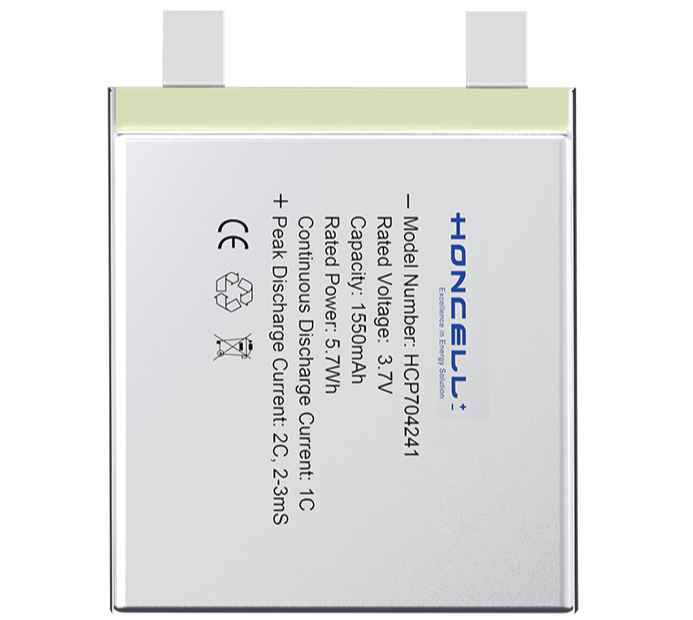
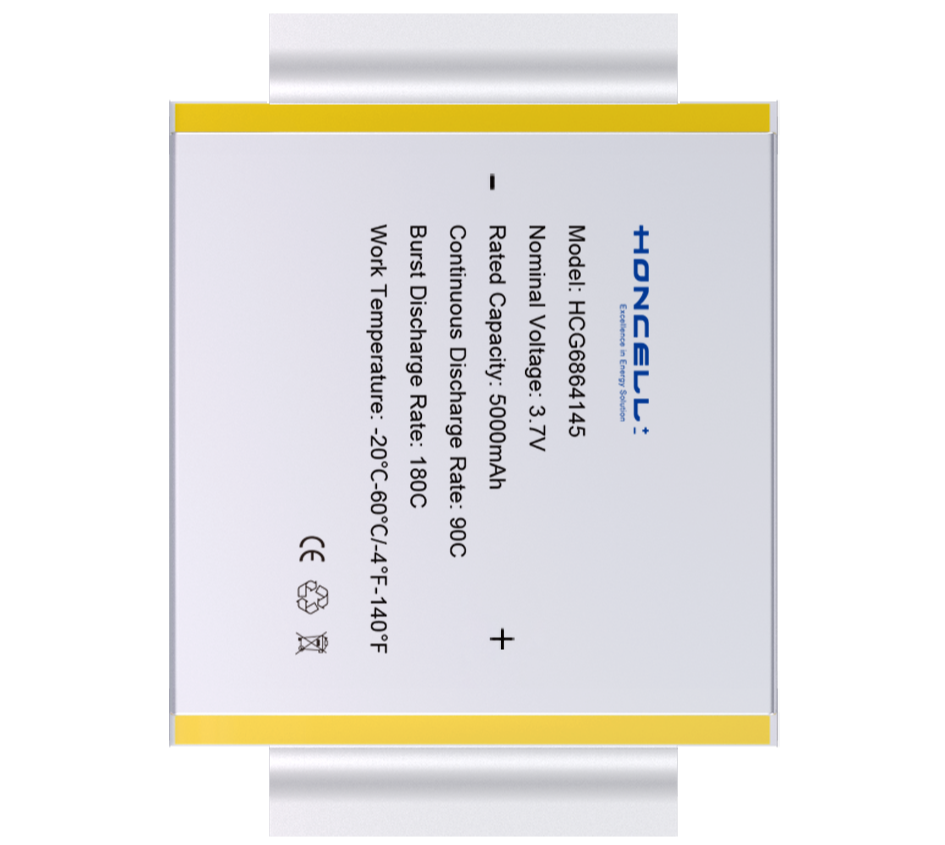
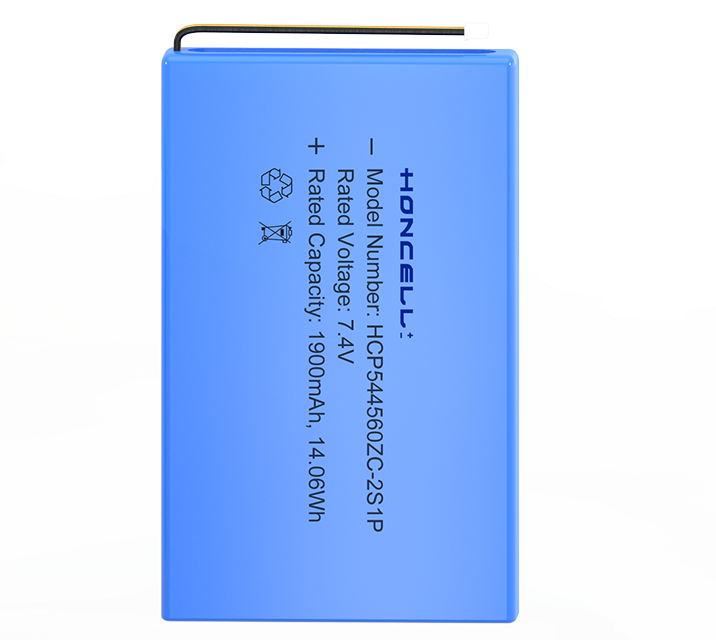
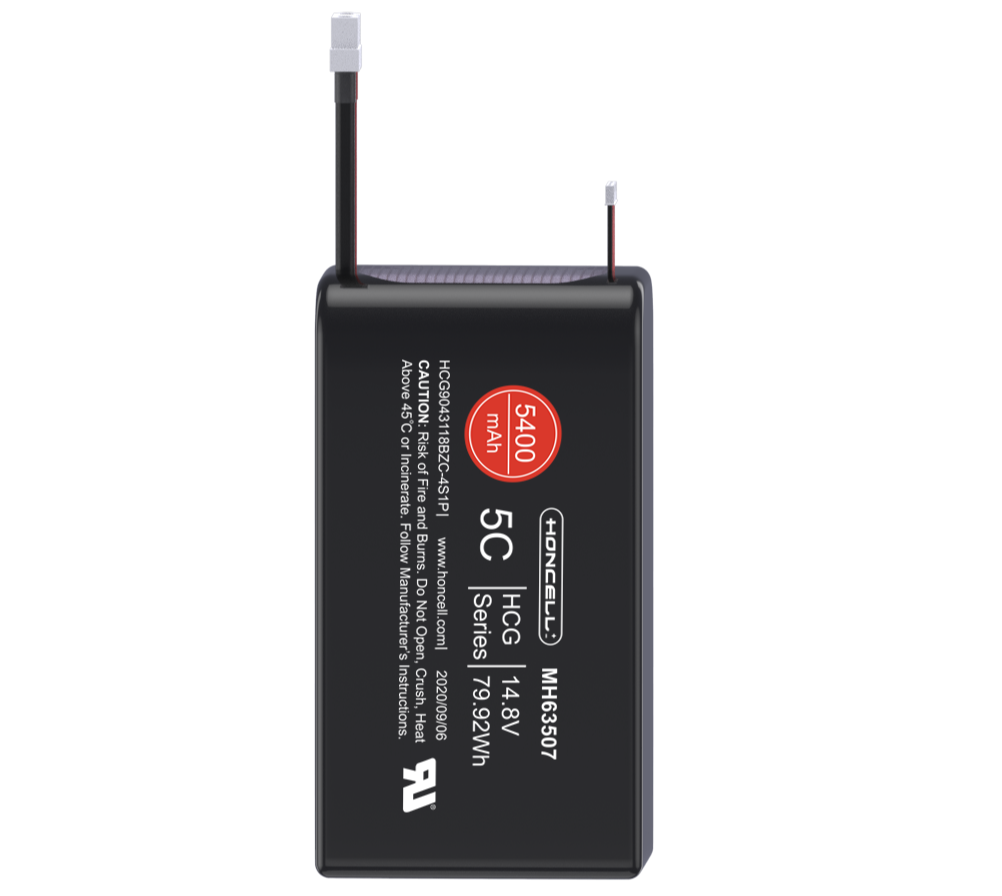
Honcell's HCG High-Drain Li-Polymer series excels in drone applications, delivering exceptional discharge rates (up to 180C in specialized packs), customizable configurations, and reliable performance for FPV racing, long-range flights, and professional UAVs.
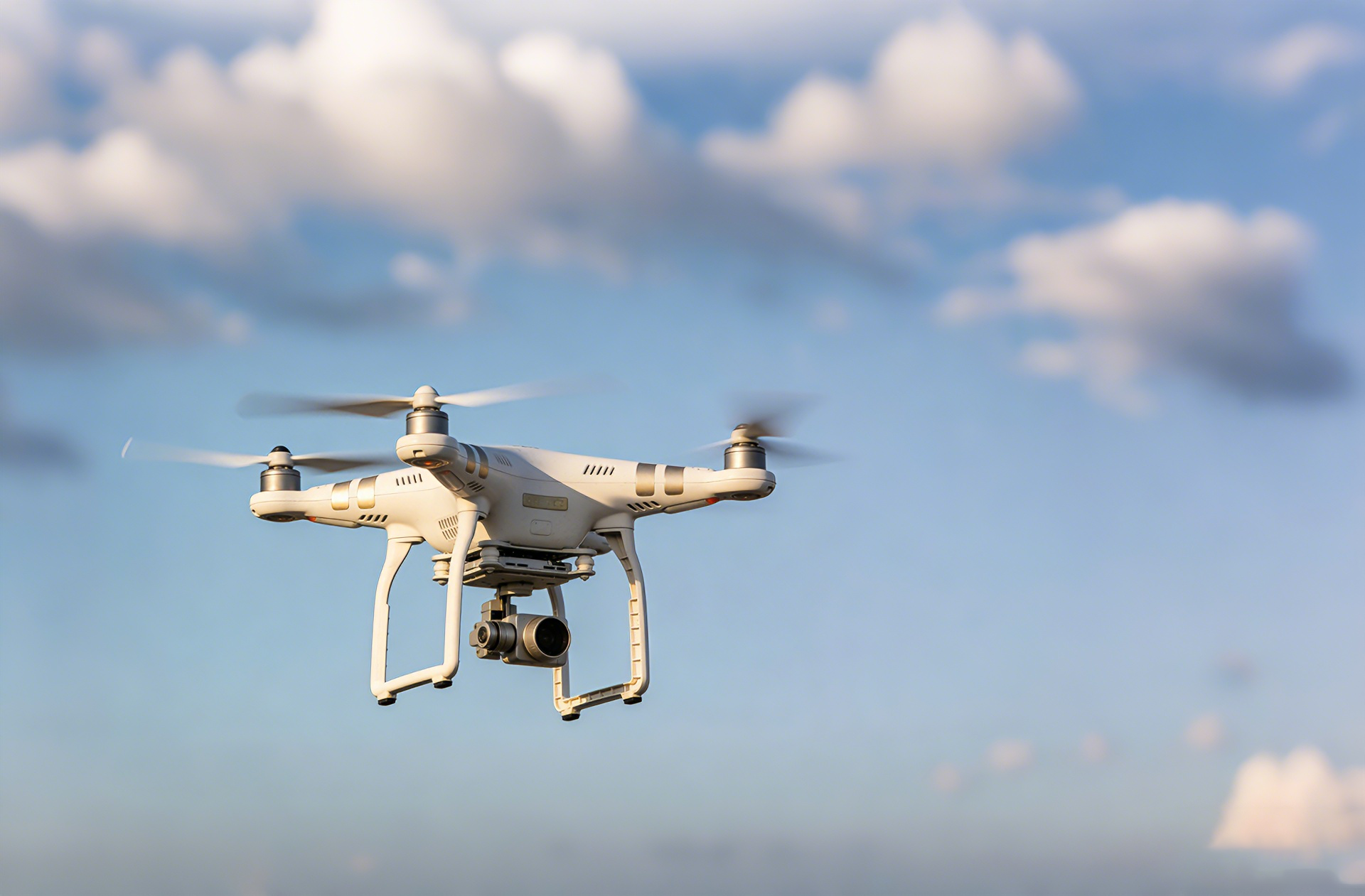
Why Honcell Li-Polymer Batteries Are Ideal for Drones
Honcell specializes in high-drain Li-Polymer cells and packs (often referred to as LiPo in the drone community), offering:
Superior discharge rates → Explosive power for agile maneuvers and high-thrust motors.
High energy density → Extended flight times without excessive weight.
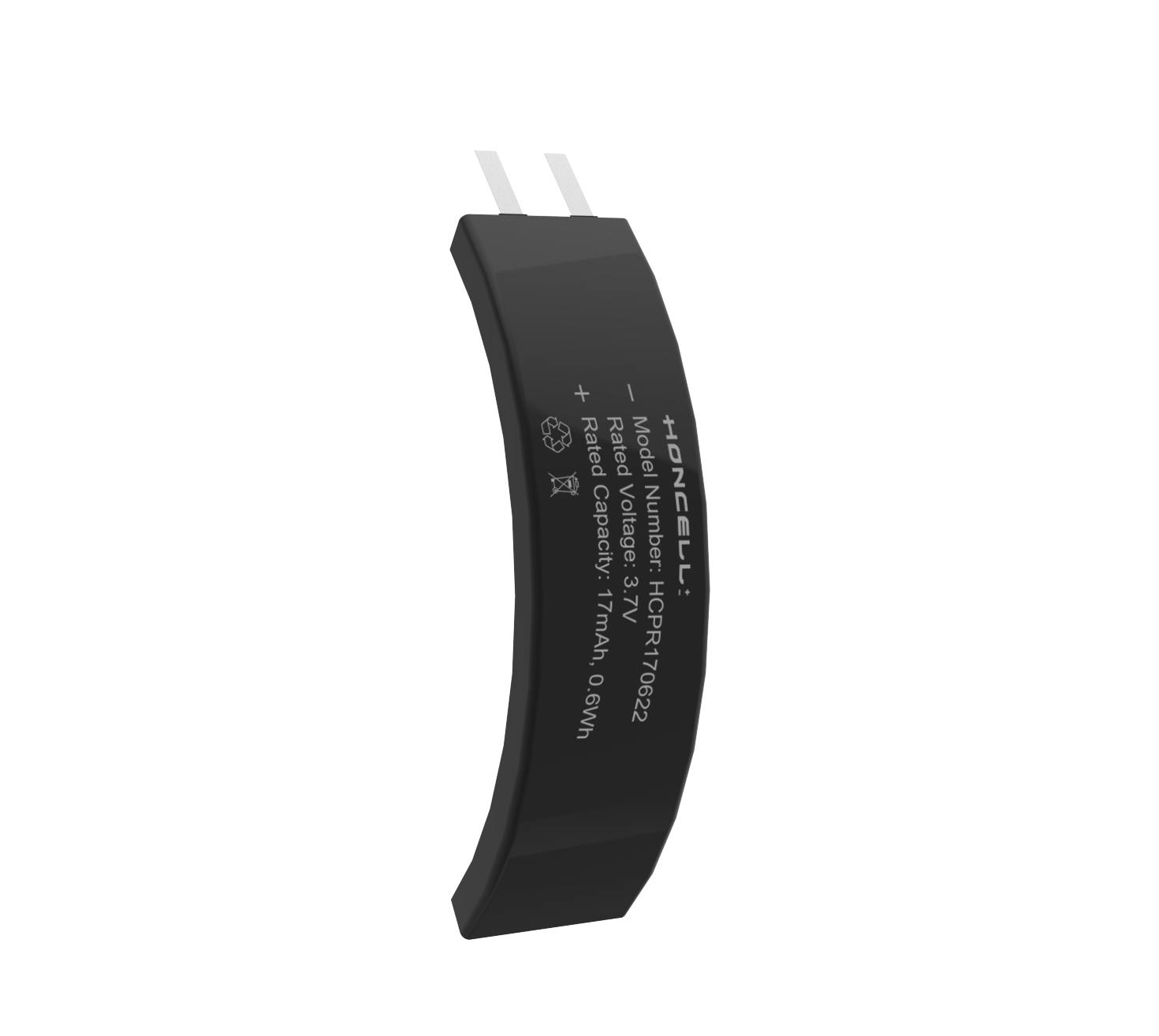
Custom shapes and sizes → Including curved or irregular designs for optimal frame fit.
Long cycle life and safety → With protection circuits and certifications.
OEM/ODM flexibility → Tailored voltage, capacity, and configurations for specific drone needs.
Perfect for:
FPV racing and freestyle
Long-endurance fixed-wing UAVs
Agricultural and surveying drones
Industrial inspections
DIY custom builds
Top Honcell High-Drain Li-Polymer Batteries for Drones (2025 Recommendations)
Honcell's HCG series provides customizable high-performance packs. Here are standout 6S configurations ideal for professional and enthusiast drones:
1. Honcell HCG1059156W-6S1P
Specifications:
Rated Voltage: 22.2V
Nominal Capacity: 10000mAh
High-Drain Performance: Optimized for sustained power
Pack Type: Custom Li-Polymer
Why It’s Great for Drones:
This high-capacity pack delivers exceptional endurance while maintaining reliable discharge for long-range missions and energy-optimized builds.
Best For:
Long-range FPV builds
DIY endurance drones
Lightweight aerial mapping platforms
Professional surveying UAVs
2. Honcell HCG10143126ZC-6S1P
Specifications:
Rated Voltage: 22.8V
Nominal Capacity: 8000mAh
High-Drain Performance: Excellent under heavy loads
Why It’s Great for Drones:
Balanced power delivery and reliability make it ideal for drones requiring consistent current in demanding scenarios.
Best For:
High-power quadcopters
Mixed-system builds
Heavier FPV setups
Industrial multi-rotors
3. Honcell HCG6843125ZC-6S1P
Specifications:
Rated Voltage: 22.2V
Nominal Capacity: 4000mAh
High-Drain Performance: Agile and responsive
Why It’s Great for Drones:
Compact yet powerful, perfect for efficiency-focused professional drones with payload requirements.
Best For:
Commercial mapping drones
Large fixed-wing platforms
Industrial inspection drones
Compact surveying setups
4. Honcell HCG9042125ZC-6S1P
Specifications:
Rated Voltage: 22.8V
Nominal Capacity: 6500mAh
High-Drain Performance: Superior for stress conditions
Why It’s Great for Drones:
Combines high discharge capability with solid capacity for performance-oriented applications needing reliability under load.
Best For:
Heavy-lift drones
Cinematic FPV drones
High-current multirotor systems
Cargo and delivery UAVs
5. Honcell HCG5643125ZC-6S2P
Specifications:
Rated Voltage: 22.8V
Nominal Capacity: 8000mAh
High-Drain Performance: Balanced for endurance
Why It’s Great for Drones:
Dependable parallel configuration ensures predictable performance and extended flight times at moderate loads.
Best For:
Survey drones
Lightweight long-range builds
Energy-efficient fixed-wing UAVs
Professional monitoring platforms
How to Choose the Best Li-Ion Battery for Your Drone
1. Check Your Drone’s Power Requirements
The most important factor is the continuous discharge rating.
If your drone needs 40A in flight, a pack built from 10A cells will overheat quickly.
2. Balance Weight and Energy Density
Li-ion cells offer excellent Wh/kg, but the heavier weight compared to Li-Po must be considered—especially for multirotors.
3. Consider Flight Type
Endurance flights: Choose Panasonic GA, LG MJ1, Samsung 50E
High-power applications: Choose Molicel P42A, Sony VTC6
4. Evaluate Assembly Quality
If purchasing pack-assembled batteries, ensure:
Spot-welds are secure
BMS is reliable
Cells are matched in internal resistance
Thermal management is adequate
5. Understand Temperature PerformanceLi-ion cells perform best above 10°C. In cold environments, expect reduced performance—sometimes up to 30%.
FAQs About Li-Ion Drone Batteries
1. Are Li-ion batteries better than Li-Po for drones?
Li-ion batteries are better for long-range and endurance flights, while Li-Po batteries are better for high-current, high-performance FPV drones.
2. How long do Li-ion drone batteries last?
A well-maintained Li-ion pack typically lasts 300–800 cycles, depending on temperature and discharge rate.
3. Can I replace my drone’s Li-Po pack with a Li-ion pack?
Yes, but only if your drone’s power system can handle lower discharge rates and higher internal resistance.
4. Are Li-ion batteries safe for drones?
Yes. Li-ion cells have strong thermal stability, and reputable brands have excellent safety records.
Always avoid counterfeit cells.
5. Do Li-ion batteries require a special charger?
Most support standard CC/CV lithium-ion charging, but check for correct voltage (3S, 4S, 6S, etc.) and balance-charging needs.
6. Which Li-ion cell offers the best combination of power and safety?
Molicel P42A is widely considered the safest high-power Li-ion cell due to strict production standards.
7. Why do endurance drones prefer 21700 cells?
They offer higher capacity per cell, allowing longer flights with fewer cells in series.
8. Can Li-ion packs be used in cold weather?
Yes, but expect performance reduction. Pre-warming the battery helps maintain power output.
9. How do I store Li-ion drone batteries properly?
Store them at 40–60% charge, in a dry environment, and avoid high temperatures.
10. Are there counterfeit Li-ion drone batteries?
Yes. Panasonic, LG, Samsung, Sony/Murata, and Molicel are commonly counterfeited. Buy only from authorized distributors.
References
[1] Wikipedia. “Lithium-ion battery.” Available online: https://en.wikipedia.org/wiki/Lithium-ion_battery
[2] Wikipedia. “Lithium polymer battery.” Available online: https://en.wikipedia.org/wiki/Lithium_polymer_battery
Related News
-

 May. 20262026 Drone Battery Guide: Honcell Power SolutionsLearn More
 -
 Dec. 2025Lithium-Ion Battery Price Forecast for 2025Learn More
 -
 Aug. 2025How Can Small Lithium Polymer Battery Packs Power IoT Innovation?Learn More
 -
 Aug. 2025Why Are Lithium Polymer Batteries the Go-To Choice for Portable Devices?Learn More
 -
 Jun. 2025Revolutionizing Drone Logistics in Cold Climates with Next-Gen BatteriesLearn More
 -
 Jun. 2025The Future of Smart Glass Batteries: Trends and Innovations for 2025Learn More
 -
 Apr. 2025Top 6 Reasons Why LiFePO4 Lithium Batteries Are Revolutionizing Energy StorageLearn More
 -
 Apr. 2025The Ultimate Guide to Li Polymer Battery Packs: Choosing the Right Power SolutionLearn More
 -
 Apr. 2025Why Cylindrical LiFePO4 Cells Are Revolutionizing Energy Storage SolutionsLearn More
 -
 Mar. 2025Understanding LiFePO4 Prismatic Cells: A Comprehensive GuideLearn More
 -
 Mar. 2025Lithium Iron Phosphate (LiFePO4) vs Lithium-Ion Battery: A Comprehensive ComparisonLearn More
 -
 Jan. 2025All You Need To Know About Smart Watch BatteriesLearn More
 -
 Dec. 2024The Ultimate Guide to Choose the Best Rechargeable Battery for Bluetooth SpeakersLearn More
 -
 Nov. 2024How Drone Manufacturers Choose Lithium BatteriesLearn More
 -
 Nov. 2024How medical device vendors choose lithium medical batteriesLearn More
 -
 Sep. 2024Why global enterprises should choose Chinese lithium battery manufacturersLearn More
 -
 May. 2024How to choose lithium battery customized manufacturersLearn More
 -
 Mar. 2024How to wake up a dormant lithium battery and bring it back to performanceLearn More
 -
 Mar. 2024What should be considered when charging lithium batteriesLearn More