

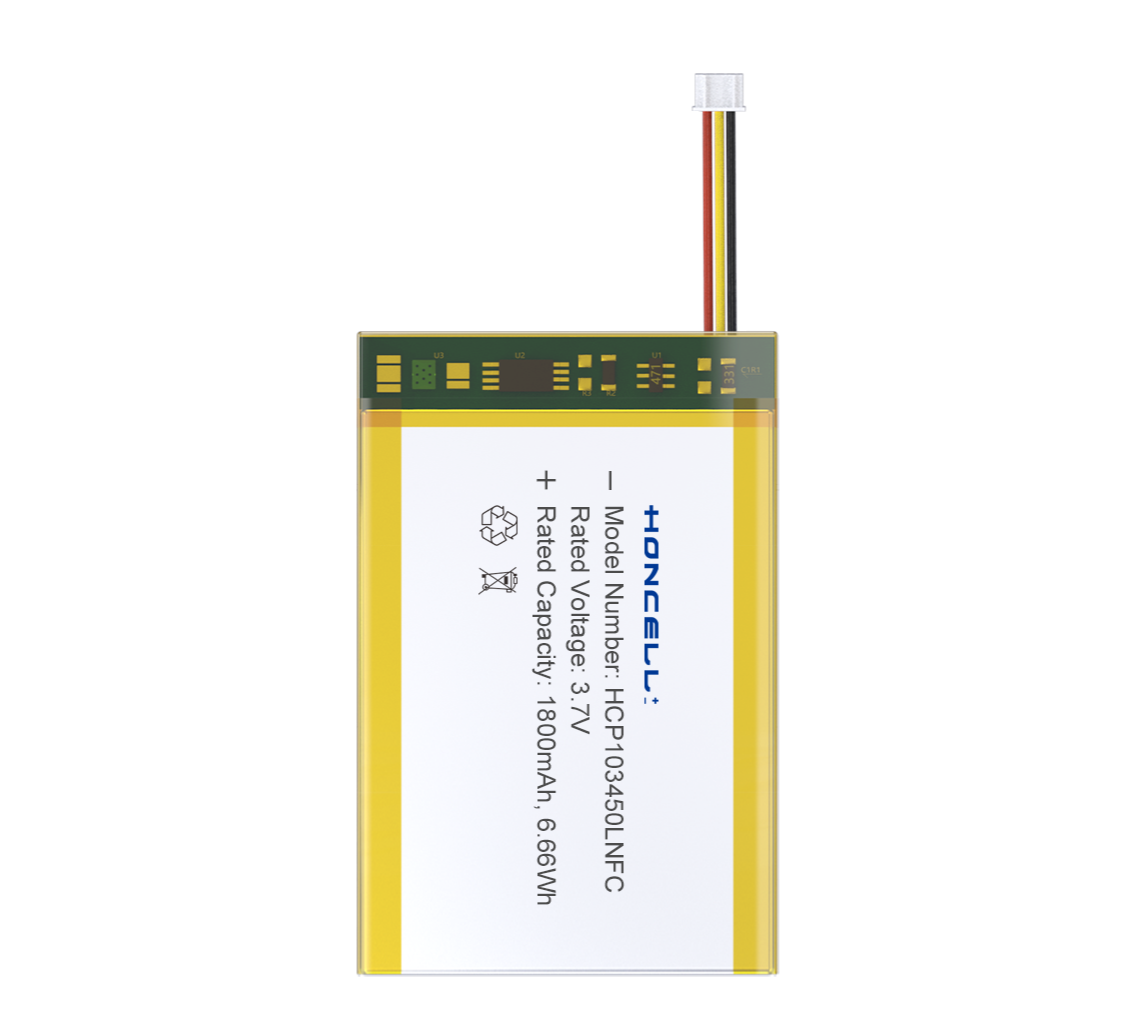


Pros and Cons of LiFePO4 Batteries
-
 December 29, 2025


LiFePO₄ (Lithium Iron Phosphate) batteries have rapidly become one of the most trusted energy-storage solutions across solar systems, RVs, telecom setups, backup power stations, AGVs, forklifts and more. Known for their exceptional safety, long cycle life, and high efficiency, LiFePO4 batteries are often positioned as a superior alternative to traditional lithium-ion chemistries such as NCM or NCA.
But like any technology, LFP (LiFePO4) batteries have both advantages and limitations. Understanding these strengths and weaknesses is essential for system designers, engineers, and consumers who need reliable, long-lasting power.
This article provides a comprehensive overview of the pros and cons of LiFePO4 batteries, followed by an in-depth look at the ideal use cases where LiFePO4 chemistry performs best.
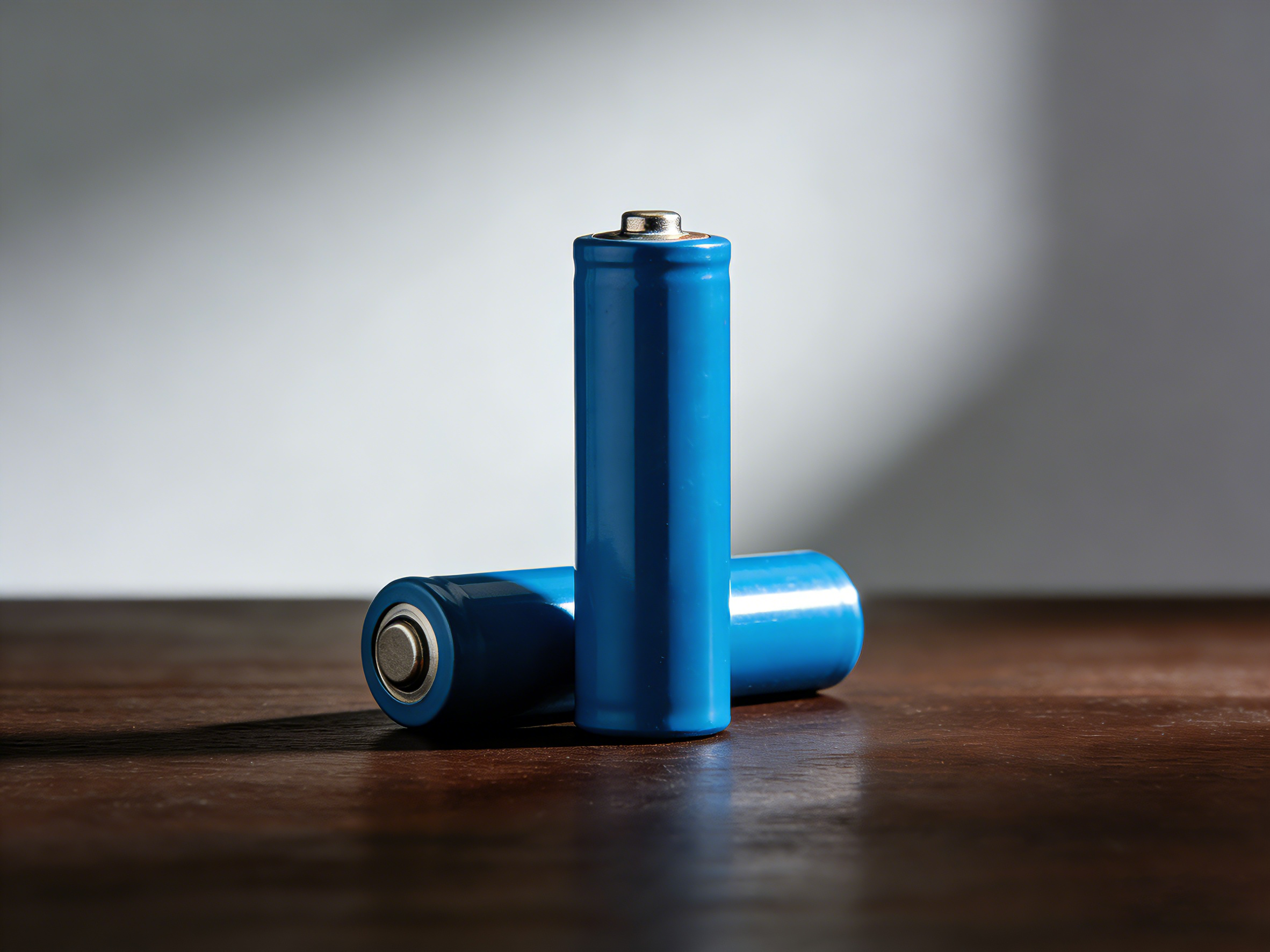
Pos of LiFePO4 Batteries
1. Exceptional Safety Compared With Other Lithium Chemistries
Safety is one of the biggest reasons LiFePO4 batteries have become the preferred solution for residential and commercial energy storage. Unlike lithium-ion batteries based on nickel-cobalt (NCM) chemistry, LiFePO4 has a highly stable cathode material that resists thermal runaway.
Key safety benefits include:
High thermal and chemical stability
No risk of fire or explosion under normal conditions
Stable operation even during overcharging or physical damage
No cobalt, making the chemistry non-toxic and environmentally friendly
For applications like solar ESS, backup power, and industrial equipment, the stability of LiFePO4 batteries offers peace of mind that cobalt-based batteries cannot match.
2. Long Cycle Life and Lower Lifetime Cost
LiFePO4 batteries typically offer 3,000–6,000+ charge cycles, depending on cell grade and operating conditions. Premium prismatic LiFePO4 cells—like those used in many high-performance energy storage systems—can even exceed 8,000 cycles.
Compared to higher-density NCM/NCA lithium chemistries, which typically exhibit shorter cycle life especially in deep-cycle applications, LiFePO4 batteries deliver:
Longer usable life
Lower cost per cycle
Better performance consistency over time
This makes LFP the most cost-effective long-term battery chemistry for renewable energy, EVs, and off-grid installations.
3. High Efficiency and Stable Discharge Performance
A LiFePO4 battery provides:
Higher round-trip efficiency (≥ 95%)
Flat discharge voltage curve
Stable power output even at high loads
Because voltage remains stable during discharge, devices and systems operate more predictably, improving performance in solar panels, inverters, UPS systems, and deep-cycle applications.
4. Wide Operating Temperature Range
Compared with other lithium chemistries, LiFePO4 batteries perform exceptionally well in high-temperature environments. They tolerate heat more effectively and maintain capacity even in demanding industrial conditions.
Typical temperature range:
Discharge: –20°C to 60°C
Charge: 0°C to 55°C
This makes LiFePO4 the preferred choice for outdoor energy storage, telecom base stations, and EV battery packs in hot climates.
5. Environmentally Friendly and Cobalt-Free
LiFePO4 contains:
No cobalt
No nickel
No heavy metals
This makes it one of the most sustainable lithium battery options available. From manufacturing to recycling, LiFePO4 batteries have a smaller environmental footprint compared with other lithium chemistries.
Cons of LiFePO4 Batteries
1. Lower Energy Density Compared With NCM Lithium-Ion
One of the main limitations of LiFePO4 chemistry is its lower energy density. While NCM or NCA batteries can reach 240–300 Wh/kg, LiFePO4 generally ranges from 140–170 Wh/kg.
This means LFP batteries are:
Larger
Heavier
Less suitable for ultra-compact devices or long-range electric vehicles
However, for stationary energy storage, RVs, solar systems, or forklifts, this disadvantage is rarely a deal-breaker.
2. Reduced Performance in Low Temperatures
At freezing temperatures (0°C and below), the charging capability of LiFePO4 cells decreases significantly.
Issues include:
Reduced capacity
Slower charging
Potential risk of lithium plating if charged below 0°C without heating
This is why many LiFePO4 energy storage systems come with built-in heaters or BMS low-temperature charging protection.
3. Higher Upfront Cost Compared With Lead-Acid
Although LiFePO4 batteries save money over their lifetime, their initial price is still higher than AGM or GEL lead-acid batteries.
However, considering:
5–10× cycle life,
higher efficiency,
zero maintenance,
the lifetime value of LiFePO4 is significantly better.
4. Requires a Lithium-Compatible Charger and BMS
LiFePO4 batteries require:
A proper BMS (Battery Management System)
A compatible charger with correct voltage profiles
Using non-compatible chargers may reduce battery life or cause protection shutdowns. Fortunately, most modern solar inverters and chargers support LFP profiles.
Ideal Use Cases for LiFePO4 Batteries
LiFePO4 batteries shine in applications where long cycle life, safety, and stable performance are essential. Below are the top scenarios where LFP is the best choice.
1. Solar Energy Storage Systems (ESS)
LiFePO4 batteries are perfect for solar energy storage due to:
Long cycle life
High efficiency
Excellent depth of discharge
Strong safety profile
They are widely used in:
Home solar ESS
Commercial energy storage
Off-grid cabins
Microgrids
Their stability ensures consistent energy availability and long-term savings.
2. RVs, Camper Vans, and Marine Applications
The lightweight, maintenance-free design of LiFePO4 batteries makes them ideal for mobile power systems.
Benefits include:
Deep-cycle capability
Safe indoor installation
Long lifespan for full-time RV living
Faster charging from alternators or solar systems
They outperform lead-acid batteries in every aspect for RV and boating use.
3. Backup Power and UPS Systems
LiFePO4 batteries offer fast charging and stable output, making them perfect for uninterrupted power supply setups.
Ideal for:
Home backup systems
Server rooms
Medical equipment
Retail or commercial buildings
Their long service life also reduces replacement frequency.
4. Industrial Equipment and AGVs
Prismatic LiFePO4 cells are widely used in:
Forklifts
AGVs
Warehouse robots
Cleaning machines
Why?
High discharge rate
Long cycle life
Reduced downtime
Low maintenance costs
Industrial users benefit greatly from the durability of LiFePO4 packs.
5. Telecom and Base Station Backup
Telecom operators rely on LFP for:
Tower backup power
Outdoor enclosures
Harsh environment performance
The ability to withstand high temperatures makes LFP superior to lead-acid and NCM batteries in telecom scenarios.
Conclusion
LiFePO4 batteries offer a unique combination of safety, long cycle life, high efficiency, and environmental friendliness, making them one of the most versatile and reliable energy-storage technologies available. While they have limitations—such as lower energy density and reduced low-temperature performance—their advantages significantly outweigh their drawbacks in most applications.
From solar ESS and RV power to industrial machinery and telecom systems, LiFePO4 batteries consistently deliver dependable, long-term energy storage. For users who prioritize safety, stability, and value, LiFePO4 remains the top choice in modern lithium battery technology.
FAQs: Common Questions About LiFePO4 Batteries
1. Are LiFePO4 batteries really safer than other lithium-ion chemistries?
Yes. LiFePO4 (LFP) cells are known for their exceptional thermal and chemical stability. Unlike NCM or NCA batteries, they are far less likely to overheat or enter thermal runaway. This is why LFP is widely used in home energy storage, RV systems, marine power, and industrial applications where safety is a top priority.
2. How long does a LiFePO4 battery typically last?
Most high-quality LiFePO4 batteries last between 3,000 and 6,000 charge cycles, and some premium prismatic LFP cells can exceed 8,000 cycles. In real-world conditions, this often translates to 8–15 years of service life depending on depth of discharge, temperature, and overall maintenance.
3. Can LiFePO4 batteries be charged in cold weather?
LiFePO4 batteries can discharge in low temperatures, but charging below 0°C is not recommended. Doing so may cause lithium plating and shorten the battery’s life. Many modern battery packs now include low-temperature protection BMS or built-in heaters to ensure safe charging during winter.
4. Are LiFePO4 batteries worth the higher upfront cost?
For most users—yes. Although the initial investment is higher than lead-acid batteries, LiFePO4 delivers much better value over time due to its long cycle life, higher efficiency, and zero maintenance. When you calculate cost per cycle, LFP batteries are usually the most economical option.
5. What’s the main difference between LiFePO4 and lithium-ion batteries?
“Lithium-ion” is a broad category that includes many chemistries (NCM, NCA, LCO, LFP). LiFePO4 is a subtype, but it stands out because it is safer, longer-lasting, and more stable at high temperatures. The trade-off is lower energy density, which means LFP batteries are a bit heavier and bulkier than NCM batteries.
6. Can LiFePO4 batteries replace lead-acid directly?
In many cases, yes. LiFePO4 batteries can be used as drop-in replacements for AGM or GEL batteries in RVs, boats, solar systems, and backup power setups—provided the charger supports lithium charging profiles or adjustable voltage settings. Once replaced, users typically enjoy faster charging, deeper discharge, and significantly longer lifespan.
7. Are LiFePO4 batteries suitable for starting engines?
Although LiFePO4 batteries shine in deep-cycle applications, some high-discharge LFP packs can be used as engine starter batteries. However, most users prefer LFP for house batteries, solar storage, or industrial equipment, while traditional lithium-ion or lead-acid batteries remain common for cranking engines.
8. What devices or systems benefit the most from LiFePO4 batteries?
LiFePO4 is ideal for:
Solar energy storage systems
RVs, camper vans, and marine power
Telecom base stations
UPS and home backup systems
Forklifts, AGVs, and industrial machinery
Off-grid cabins and remote monitoring equipment
Any application that demands long cycle life, stable power, and strong safety is a perfect match for LiFePO4 technology.
9. Do LiFePO4 batteries require maintenance?
No routine maintenance is needed. LiFePO4 batteries do not require equalization, watering, or desulfation like lead-acid batteries. Simply ensure the BMS is functioning properly and avoid extreme temperatures for maximum lifespan.
10. Can I use my existing solar inverter with a LiFePO4 battery?
Most modern inverters and solar charge controllers support LiFePO4 charging profiles or allow custom voltage settings. As long as the system can be configured to the recommended absorption and float voltages, LiFePO4 batteries can integrate smoothly into an existing solar setup.
References
[1] M. Armand and J.-M. Tarascon, “Building better batteries,” Nature, vol. 451, pp. 652–657, 2008.
[2] Dunn, B., Kamath, H., & Tarascon, J.-M. (2011). “Electrical energy storage for the grid: A battery of choices.” Science, 334(6058), 928–935.
[3] Goodenough, J. B., & Park, K.-S. (2013). “The Li-ion rechargeable battery: A perspective.” Journal of the American Chemical Society, 135(4), 1167–1176.
[4]Wikipedia. “Lithium iron phosphate battery.” Available: https://en.wikipedia.org/wiki/Lithium_iron_phosphate_battery
[5] International Renewable Energy Agency (IRENA). (2022). “Electricity Storage and Renewables: Costs and Markets.”
Related News
-

 May. 20262026 Drone Battery Guide: Honcell Power SolutionsLearn More
 -
 Dec. 2025Lithium-Ion Battery Price Forecast for 2025Learn More
 -
 Aug. 2025How Can Small Lithium Polymer Battery Packs Power IoT Innovation?Learn More
 -
 Aug. 2025Why Are Lithium Polymer Batteries the Go-To Choice for Portable Devices?Learn More
 -
 Jun. 2025Revolutionizing Drone Logistics in Cold Climates with Next-Gen BatteriesLearn More
 -
 Jun. 2025The Future of Smart Glass Batteries: Trends and Innovations for 2025Learn More
 -
 Apr. 2025Top 6 Reasons Why LiFePO4 Lithium Batteries Are Revolutionizing Energy StorageLearn More
 -
 Apr. 2025The Ultimate Guide to Li Polymer Battery Packs: Choosing the Right Power SolutionLearn More
 -
 Apr. 2025Why Cylindrical LiFePO4 Cells Are Revolutionizing Energy Storage SolutionsLearn More
 -
 Mar. 2025Understanding LiFePO4 Prismatic Cells: A Comprehensive GuideLearn More
 -
 Mar. 2025Lithium Iron Phosphate (LiFePO4) vs Lithium-Ion Battery: A Comprehensive ComparisonLearn More
 -
 Jan. 2025All You Need To Know About Smart Watch BatteriesLearn More
 -
 Dec. 2024The Ultimate Guide to Choose the Best Rechargeable Battery for Bluetooth SpeakersLearn More
 -
 Nov. 2024How Drone Manufacturers Choose Lithium BatteriesLearn More
 -
 Nov. 2024How medical device vendors choose lithium medical batteriesLearn More
 -
 Sep. 2024Why global enterprises should choose Chinese lithium battery manufacturersLearn More
 -
 May. 2024How to choose lithium battery customized manufacturersLearn More
 -
 Mar. 2024How to wake up a dormant lithium battery and bring it back to performanceLearn More
 -
 Mar. 2024What should be considered when charging lithium batteriesLearn More